Upcoming Events
Past Events
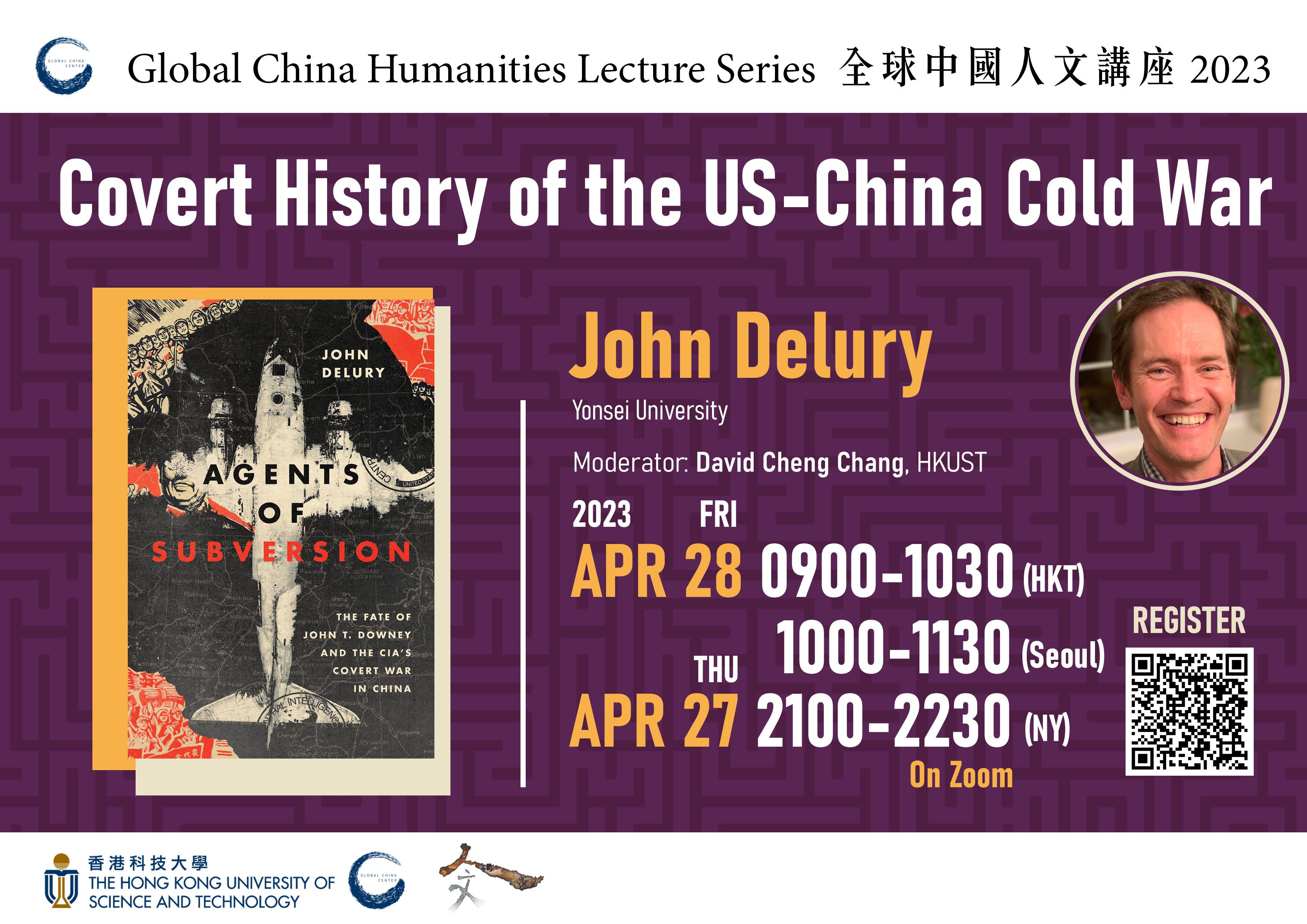
COVERT HISTORY OF THE US-CHINA COLD WAR
Drawing upon his recently published book Agents of Subversion, John Delury will explore the covert history of the Cold War between the United States and China from the late 1940s to the early 1970s. He will discuss different kinds of Cold War “battlefields”—from New Haven to Hong Kong, Korea to Manchuria—where ideas were weaponized in policy debates as well as clandestine missions. Following the trail of one particular CIA mission into the PRC at the height of the Korean War, Delury will offer a framework for understanding US-China Cold War diplomacy (and the lack thereof) that might offer at least cautionary lessons for the present. READ MORE...
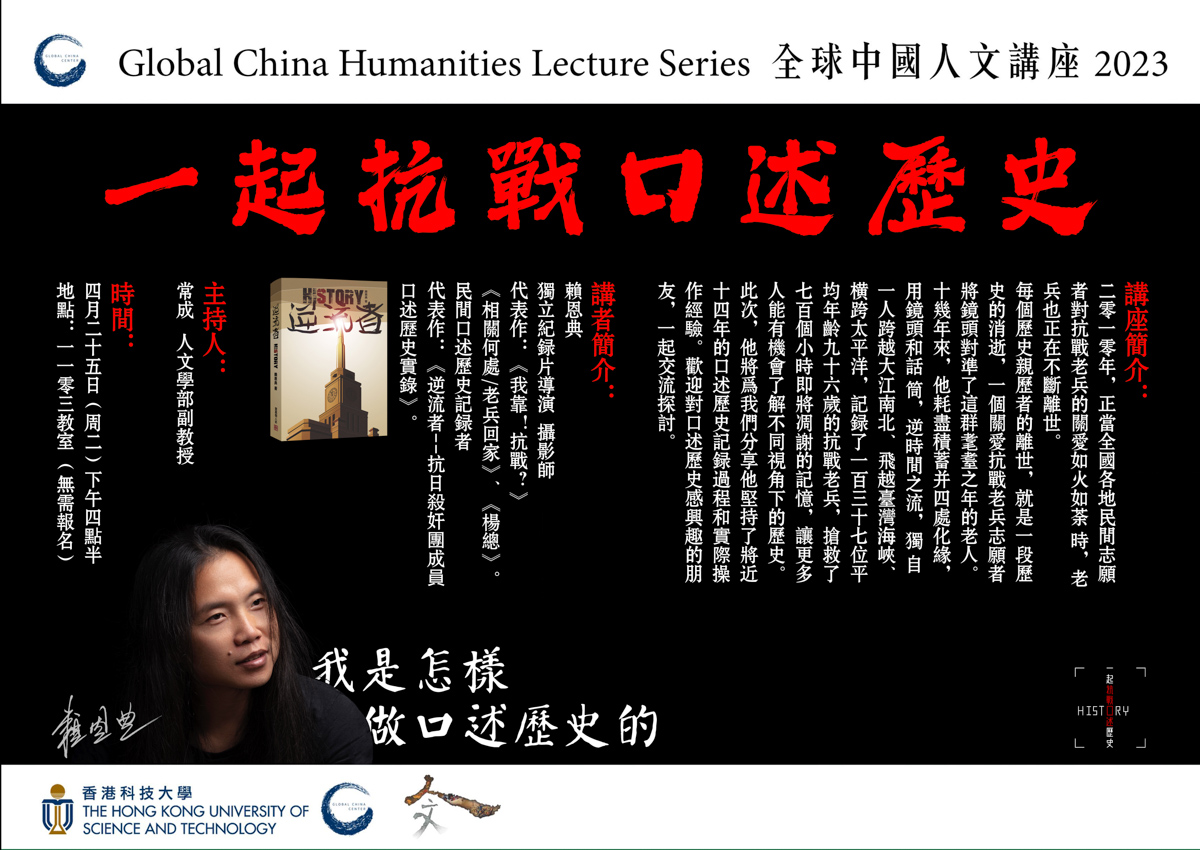
一起抗戰口述歷史: 我是怎樣做口述歷史的
2010年,正當全國各地民間志願者對抗戰老兵的關愛如火如荼的時候,老兵也正在不斷離世。 每個歷史親歷者的離世,就意味著一段歷史的消逝,一個關愛抗戰老兵志願者將鏡頭對準了這群耄耋之年的老人。十幾年來,他耗盡積蓄並四處化緣,獨自一人跨越大江南北、飛越臺灣海峽、橫跨太平洋,用他的鏡頭和話筒,逆時間之流,記錄了137位平均年齡96歲的抗戰老兵,搶救了42000分鐘即將凋謝的記憶,讓更多的人可以有機會瞭解不一樣視角的歷史。 此次,這位堅持了將近14年的民間口述歷史記錄者,將為大家分享他記錄口述歷史的經歷和實際操作經驗。歡迎對口述歷史感興趣的朋友,一起交流探討 READ MORE...